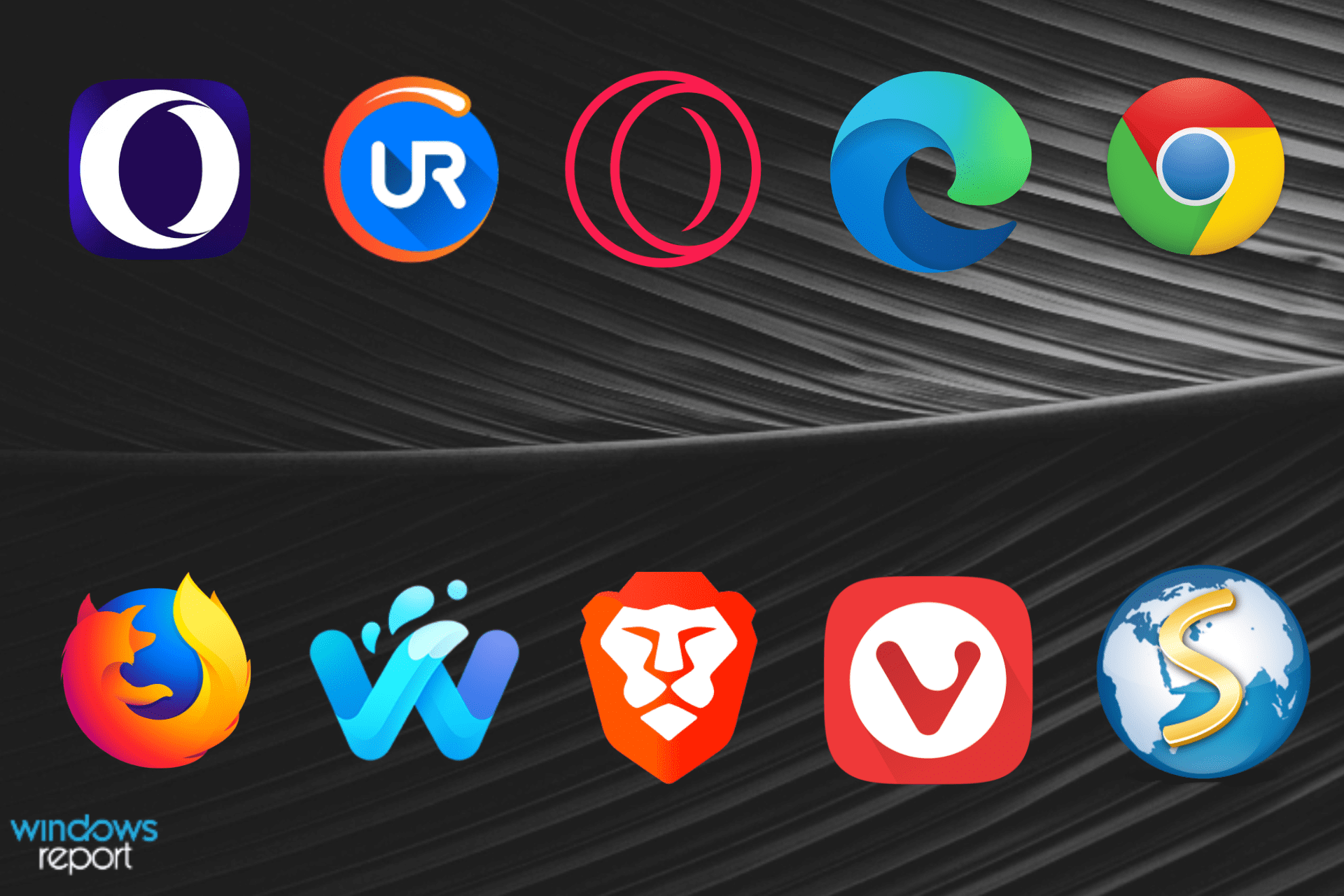
Tired of feeling like your browser is stuck in the Stone Age? Switching to a lightweight browser could be the modern solution you need for a faster and smoother online experience. By making this simple change, you’ll not only bid farewell to sluggish loading times and excessive memory usage but also unlock a whole new level of efficiency in your daily web browsing activities. So, why not explore how a lightweight browser can revolutionize the way you interact with the internet?

The Problem With Bloated Browsers

If you find yourself constantly frustrated by slow loading times and excessive resource usage, it’s time to address the issue of bloated browsers. These browsers often come filled with unnecessary features, plugins, and extensions that can slow down your browsing experience. By switching to a lightweight browser, you can enjoy faster loading speeds, improved performance, and a more streamlined user experience. Say goodbye to browser bloat for good.

Benefits of Lightweight Browsers

Switching to a lightweight browser can revolutionize your browsing experience by boosting speed and efficiency while eliminating unnecessary clutter. Enjoy quicker page loading, smoother navigation, and reduced memory usage. Lightweight browsers consume fewer system resources, leading to improved device performance. Say goodbye to sluggish browsing and hello to a streamlined online experience that focuses on what matters most – your content.

Features to Look for in Lightweight Browsers

When selecting a lightweight browser, prioritize features that enhance speed, security, and customization to optimize your browsing experience. Look for browsers with minimalistic interfaces, efficient resource management, built-in ad blockers, and privacy protections. Tab management options, extension support for productivity, and compatibility with various operating systems are also crucial. Choose a browser that aligns with your browsing habits and preferences for a seamless online experience.

How to Switch to a Lightweight Browser

To seamlessly transition to a lightweight browser, streamline your browsing experience by focusing on speed, security, and customization features that suit your preferences. Look for browsers like Firefox, Brave, or Opera, known for their lightweight nature. Download the browser of your choice, import bookmarks, and customize settings to tailor your browsing experience. Explore extensions and add-ons to enhance functionality while keeping your browser lightweight and efficient.
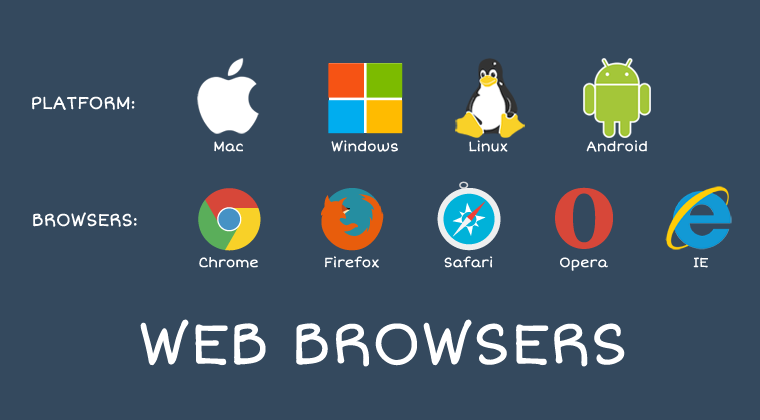
 

Have you ever considered how open-source web browsers could be the driving force behind innovation on the internet? The concept of free and collaborative development in web browsers may hold more significance than you think. As you navigate through your daily online activities, you might unknowingly be benefiting from the advancements brought about by open-source browsers. But, what exactly sets them apart and how are they shaping the future of the digital landscape?

The Rise of Open-Source Browsers

The ascendance of open-source browsers marks a pivotal shift in the landscape of web browsing technology. With browsers like Firefox, Chrome, and Brave leading the charge, users now have access to transparent, community-driven software. This shift empowers developers to innovate rapidly, enhancing security and performance. Open-source browsers promote collaboration, enabling a more customizable and privacy-focused browsing experience for users worldwide.

Advantages for Users and Developers

Advancing from the discussion on the rise of open-source browsers, exploring the advantages for users and developers unveils a multitude of benefits driving forward web browsing innovation. For users, open-source browsers offer greater customization, enhanced privacy features, and a community-driven approach. Developers benefit from collaborative development, faster issue resolution, and the ability to tailor the browser to specific needs, leading to continuous improvement and cutting-edge features.

Security Features and Data Privacy

Exploring the robust security features and data privacy enhancements in open-source web browsers reveals the forefront of user protection and confidentiality in the digital realm. With features like built-in tracking protection, sandboxing for isolating websites, and regular security updates through community-driven development, open-source browsers prioritize safeguarding your online activities. These browsers empower users with greater control over their data and offer a shield against potential cyber threats.

Collaboration Driving Technological Breakthroughs

Transitioning from the realm of security features and data privacy, the collaborative efforts within open-source web browsers are propelling technological breakthroughs at an unprecedented pace. Developers worldwide are joining forces to enhance performance, usability, and compatibility across platforms. Through shared knowledge and resources, these collaborations foster innovation, driving the evolution of web browsing experiences. The open exchange of ideas and contributions is revolutionizing the digital landscape.


When it comes to safeguarding your online activities, it’s crucial to consider utilizing secure free browsers that prioritize your privacy. With cyber threats on the rise, ensuring your personal data remains protected is of utmost importance. But how can you be certain that your online interactions are truly secure? Let’s explore the world of free browsers designed to shield you from potential privacy breaches and enhance your overall digital security.

Importance of Online Privacy

Why is online privacy crucial in today’s interconnected digital world? Protecting your online privacy is vital to safeguarding sensitive information from cyber threats. In a world where data breaches are prevalent, maintaining privacy shields your personal data from unauthorized access. By using secure free browsers, you can encrypt your web traffic, block trackers, and prevent advertisers from profiling your online behavior. Prioritizing online privacy ensures a safer digital experience.

Features to Look For

When selecting a secure free browser, prioritize features such as advanced encryption protocols, robust ad blocker capabilities, and comprehensive privacy settings. Encryption ensures secure data transmission, while effective ad blockers prevent tracking and malware. Privacy settings allow customization for optimal protection. Look for browsers with these features to safeguard your online activities and protect your personal information from unauthorized access and exploitation.

Top Secure Free Browsers

Exploring the realm of secure free browsers reveals an array of options equipped with cutting-edge security features to enhance your online privacy and protection. Some of the top choices include Brave, known for its privacy-focused approach and built-in ad blocking. Mozilla Firefox is another popular option, praised for its robust security features like enhanced tracking protection. Additionally, Tor Browser stands out for its emphasis on anonymity and encrypted browsing.

Tips for Secure Browsing

To ensure secure browsing, implementing specific strategies and practices is essential to safeguard your online activities and data. Use a reputable ad blocker to prevent malicious ads, regularly update your browser and extensions for security patches, enable private browsing mode to limit tracking, and avoid clicking on suspicious links. Utilize password managers for strong, unique passwords and enable two-factor authentication for an added layer of security.


You’re watching a shipment cross three continents, and you need certainty it’ll arrive intact and on schedule. A Singapore forwarder doesn’t just move cargo—they orchestrate precision across borders, carriers, and compliance frameworks. Their edge comes from infrastructure access you can’t replicate elsewhere, technology that flags issues before they cascade, and coordination protocols that turn complexity into predictable outcomes. Here’s exactly how they maintain velocity when your supply chain depends on it.

Leveraging Singapore’s Strategic Geographic Position and Infrastructure Advantages

Why do global logistics companies consistently choose Singapore as their regional hub? You’ll find the answer in its strategic location at Southeast Asia’s crossroads, connecting major shipping routes between East and West. A Singapore forwarder company capitalizes on Changi Airport’s 24/7 operations, automated cargo facilities, and access to 400+ cities worldwide, enabling faster customs clearance and reducing transit times by 30%.

Singapore forwarder company - Megaton.com.sg

Navigating Complex Customs Regulations and Documentation Requirements

While Singapore’s infrastructure provides the foundation for efficient logistics, your shipments can still face costly delays without proper customs documentation. Professional forwarders maintain 99.2% customs clearance accuracy by implementing automated compliance systems that cross-reference HS codes, validate certificates of origin, and pre-screen documentation against destination country requirements. This systematic approach reduces clearance times from days to hours while minimizing detention fees.

Coordinating Multi-Modal Transportation Networks Across Sea, Air, and Land

How do professional forwarders orchestrate seamless handoffs between ocean vessels, aircraft, and ground transport without cargo sitting idle at transfer points? They deploy integrated tracking systems that monitor shipments across all modes in real-time. Automated alerts trigger proactive scheduling adjustments when delays occur. Pre-cleared documentation ensures immediate customs release. Strategic partnerships with carriers guarantee priority booking and synchronized transit windows, eliminating bottlenecks.

Deploying Technology Solutions for Real-Time Tracking and Supply Chain Visibility

The synchronized handoffs between carriers depend entirely on technology infrastructure that captures shipment data at every checkpoint. You’ll need cloud-based platforms that integrate GPS tracking, IoT sensors, and automated status updates. These systems provide stakeholders with real-time visibility into shipment locations, temperature conditions, and estimated arrival times. Predictive analytics identify potential delays before they escalate, enabling proactive intervention that maintains delivery schedules.

You’re staring at your living room, measuring tape in hand, knowing that one wrong decision will dominate your space for years. In Singapore’s compact homes, a dining table isn’t just furniture—it’s a spatial commitment that affects traffic flow, natural light, and daily function. The difference between a well-chosen piece and a regrettable purchase comes down to understanding three critical dimensions: physical constraints, material resilience, and adaptive design. Here’s where most buyers miscalculate.

Space Planning and Accurate Measurements for Your Singapore Home

How do you maximize dining functionality within Singapore’s compact living quarters? Begin by measuring your designated area’s length, width, and ceiling height. Account for 90cm clearance around your dining table in Singapore to ensure comfortable circulation. Map doorways, windows, and architectural features that affect placement. Calculate proportional dimensions using the 2:3 room-to-table ratio. Document these measurements digitally before selecting furniture that optimizes your available square footage.

Material Selection That Withstands Singapore’s Humidity and Climate

Singapore’s tropical climate—with its consistent 70-80% humidity levels and temperature fluctuations—demands strategic material choices for your dining furniture investment. Prioritize moisture-resistant materials like engineered wood with sealed finishes, tempered glass, or treated solid timber. Avoid untreated natural wood susceptible to warping. Metal frames require powder-coated or stainless-steel construction to prevent corrosion. Select materials offering dimensional stability while maintaining spatial efficiency through thoughtful design integration.

Extendable and Multi-Functional Table Mechanisms for Flexibility

When floor space remains at a premium, extendable mechanisms transform static furniture into adaptive solutions that accommodate varying occupancy requirements. You’ll find butterfly leaves, drop-leaf configurations, and pull-out extensions that expand seating capacity without permanent spatial commitment. Integrated storage compartments beneath table surfaces maximize vertical utility, while fold-down designs enable complete retraction. These engineering solutions directly address Singapore’s compact residential footprints through intelligent mechanical functionality.

Budget Considerations and Long-Term Value for Compact Living

Three primary cost tiers structure the compact dining table market, each offering distinct material specifications and durability thresholds that directly correlate with lifecycle performance. You’ll find budget options ($200-$500) provide adequate functionality, mid-range selections ($500-$1,200) balance aesthetics with longevity, whilst premium investments ($1,200+) deliver superior craftsmanship and extended warranties. Calculate cost-per-year metrics against anticipated usage patterns to determine optimal value alignment.


When you’re crafting your outdoor living space, the table you choose becomes more than just a surface for dining—it’s an essential design element that can make or break your exterior aesthetic. You’ll need to contemplate how this centerpiece works with your existing décor, from your home’s architectural style to your garden’s natural elements. Whether you’re drawn to sleek contemporary pieces or classic designs, the art of matching your outdoor table requires a strategic approach that we’ll explore together.

Assessing Your Outdoor Design Style and Theme

Before selecting the perfect outdoor table by https://www.etchandbolts.com/outdoor, understanding your space’s overall aesthetic vision is essential. Take inventory of your existing elements – from architectural features to plantings. Are you drawn to modern minimalism with clean lines, rustic charm with natural materials, or coastal vibes with weathered finishes? Your outdoor table should complement these style choices while reinforcing your intended ambiance.

Material Selection and Architectural Harmony

With your design style established, selecting materials that echo your home’s architectural elements creates a cohesive outdoor living space. Consider iron tables for Tudor or Mediterranean homes, teak for craftsman styles, and sleek aluminum for modern architecture. You’ll want to match finishes too – choose weathered woods for rustic facades or polished surfaces for contemporary builds.

Color Coordination and Balance Principles

Once you’ve selected your table’s material, mastering color coordination becomes crucial for a polished outdoor aesthetic. Consider your existing color palette, from garden elements to architectural features. You’ll want to either match your table to dominant tones or create intentional contrast. Balance warm and cool hues while ensuring your choice complements both your home’s exterior and landscaping elements.

Scale and Proportion: Finding the Perfect Size Match

The perfect color palette sets the stage for your outdoor space, but the dimensions of your table will define how well it functions in that space. You’ll want to maintain a 36-inch clearance around your table for comfortable seating and traffic flow. Consider your deck or patio’s total square footage and subtract walkways before selecting a table size. A balanced scale ensures both visual harmony and practicality.


When you’re considering registering a domain name internationally, you’ll encounter both challenges and opportunities that can greatly impact your business strategy. Steering through the diverse regulations and compliance requirements of various countries can be intimidating, as each nation has its own unique set of rules regarding domain ownership and residency. However, once you overcome these hurdles, you’ll find that it can considerably enhance your credibility in foreign markets, improve local SEO rankings, and build trust with international customers. But how do you effectively manage these complexities while reaping the benefits?

registering a domain name

Understanding Global Domain Regulations

Steering through global domain regulations is essential when registering a domain name internationally. You’ll need to understand country-specific policies, compliance requirements, and legal restrictions. Different jurisdictions have unique rules for domain ownership, residency, and content. Staying informed about ICANN guidelines and local laws guarantees your domain remains secure and compliant. Prioritize researching each target country’s regulatory landscape to avoid potential legal pitfalls and registration issues.

Overcoming Language Barriers

Maneuvering through the maze of global domain regulations, it’s equally important to address language barriers that may arise during the international registration process. Utilize translation tools or hire multilingual experts to guarantee accurate communication with local registrars. Familiarize yourself with regional terminologies and legal nuances to avoid misunderstandings. This proactive approach minimizes errors, assuring a smoother, more efficient registration process across diverse linguistic landscapes.

Navigating Registration Requirements

Maneuvering through the international domain registration maze requires a keen understanding of each country’s specific requirements. You’ll need to familiarize yourself with local regulations, documentation, and eligibility criteria. Some nations have stringent residency or business presence mandates. Stay updated on policy changes and leverage local partners to guarantee compliance. This proactive approach minimizes hurdles and streamlines the registration process, safeguarding your global digital footprint.

Benefits of International Domains

Securing an international domain name offers multiple strategic benefits that can enhance your global presence. You’ll gain credibility in foreign markets, improve local SEO rankings, and build trust with international customers. Additionally, it simplifies compliance with regional digital policies and data protection laws. By diversifying your domain portfolio, you mitigate risks associated with geopolitical shifts and regional market fluctuations.


Imagine giving a birthday gift from bestygifts.com that doesn’t just sit on a shelf but actually creates lasting memories. Experiential gifts like cooking classes, spa days, or concert tickets shift the focus from accumulating material possessions to making meaningful moments. By choosing experiences that align with the recipient’s interests, you not only bring joy but also contribute to a more minimalist and eco-friendly way of living. Are you curious about how to select the perfect experiential gift and its potential benefits for you and the recipient? Let’s explore this innovative approach to gifting.

Why Choose Experiential Gifts

When it comes to celebrating birthdays, experiential gifts are gaining popularity, and for good reason. They create lasting memories instead of adding clutter. You’ll find that experiences foster stronger connections and often lead to shared adventures. Plus, in a world increasingly focused on minimalism and sustainability, giving an experience rather than a material item feels more thoughtful and meaningful.

Types of Experiential Gifts

Imagine the thrill of gifting an experience that someone will cherish forever. Think cooking classes for the foodie in your life, spa days for relaxation seekers, or concert tickets for music lovers. Adventure enthusiasts might love hot air balloon rides or scuba diving. Stay trend-aware by considering VR experiences or escape rooms. These unique gifts create lasting memories, far beyond material possessions.

Personalizing the Experience

Choosing the perfect experiential gift is just the start; personalizing it truly elevates the experience. Add a heartfelt touch by including a hand-written note or customizing the itinerary to their interests. Is your friend an art lover? Arrange a private gallery tour. Adventure seeker? Plan a unique hiking trip. Tailoring the experience shows you’ve put thought into it, making it unforgettable.

Benefits of Experiential Gifting

Experiential gifts offer a unique set of benefits that material gifts often can’t match. They create lasting memories, strengthen relationships, and reduce clutter. Imagine gifting a cooking class, a weekend getaway, or concert tickets. These experiences cater to personal interests, fostering deeper connections and genuine joy. Plus, they’re trendier and more eco-friendly, making them the perfect choice for a meaningful celebration.